
804.621.0326 Menu

Table of Contents

What is a Facelift?

A facelift, or rhytidectomy, is a cosmetic surgical procedure designed to reverse the signs of aging on the face and neck. It involves removing excess facial skin, tightening underlying tissues, and sometimes repositioning fat deposits to create a more youthful and rejuvenated appearance.

Schedule a Consultation

woman smiling and looking to the side

What Are the Benefits of a Facelift?

A facelift in Richmond can help you:

  • Smooth deep wrinkles and folds 
  • Lift sagging cheeks and restore youthful midface volume
  • Redefine the jawline 
  • Tighten lax skin in the lower face and neck
  • Improve muscle tone 
  • Enhance natural contours 
  • Create a more rested, refreshed appearance 
  • Deliver long-lasting results 
  • Boost confidence 

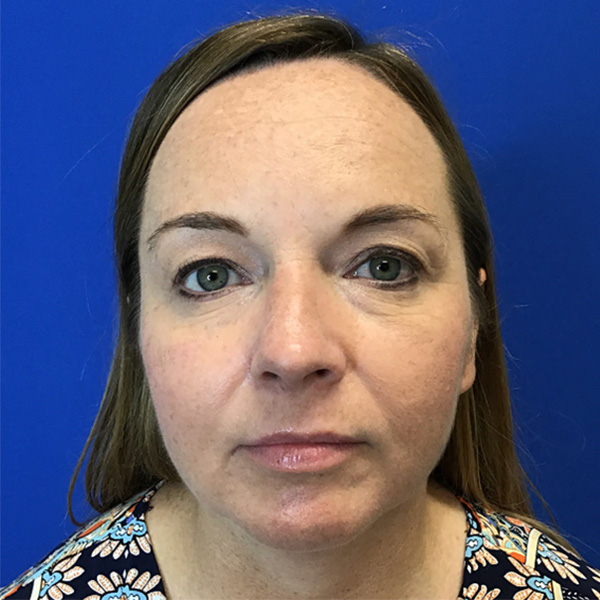
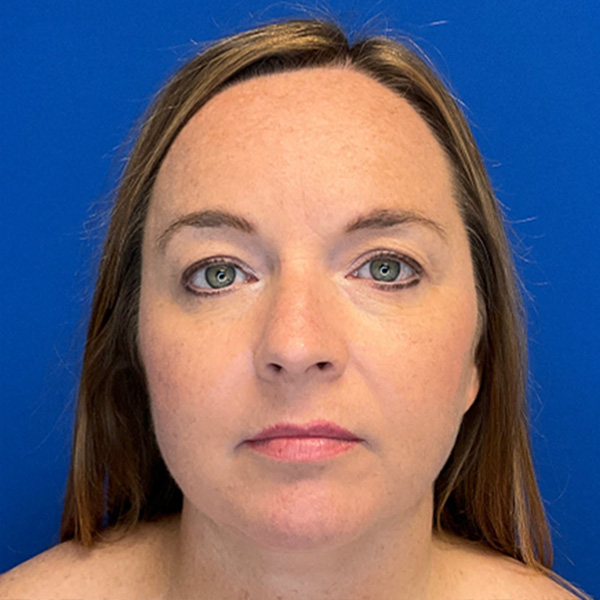
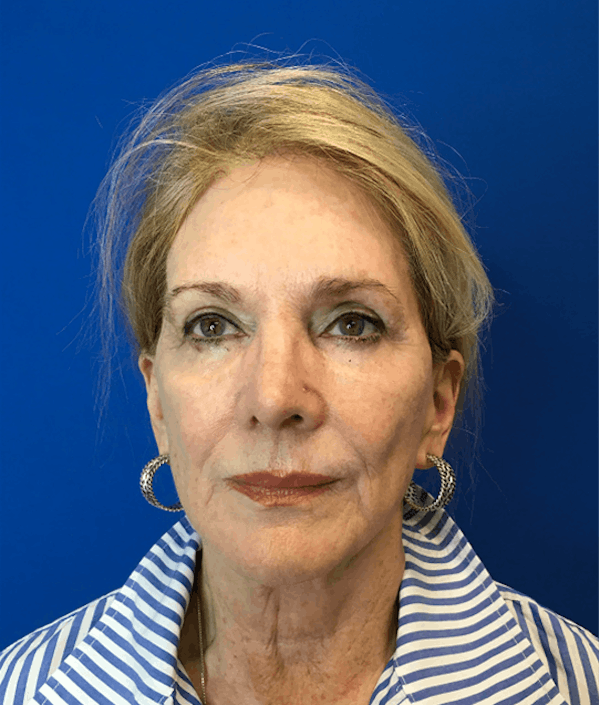
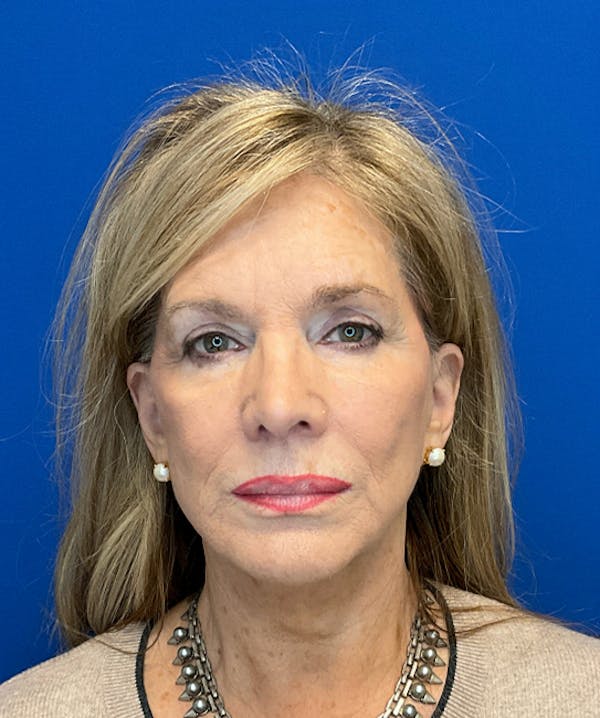
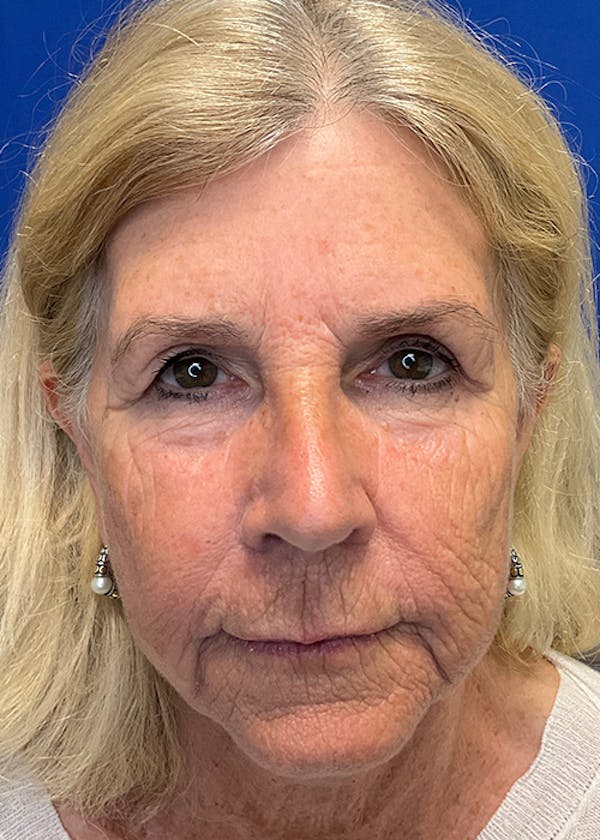
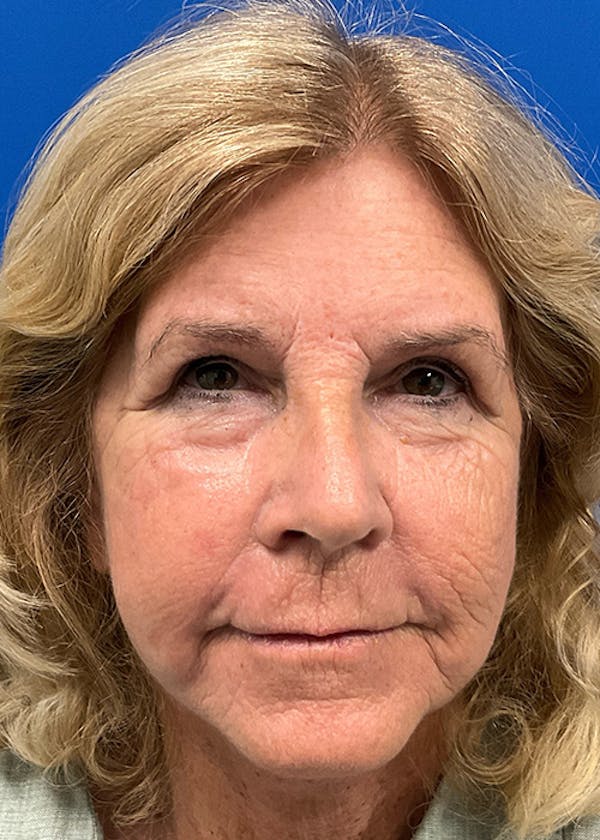
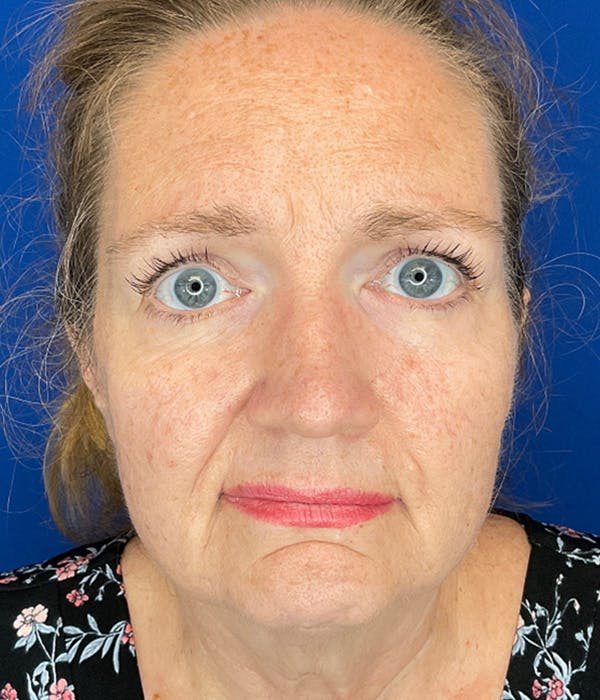
Facelift Before & After Photos

Facelift Procedure with Dr. Wornom

Woman's Facelift Results

Am I a Candidate for a Facelift in Richmond?

Ideal candidates typically have:

  • Have sagging in the face and neck
  • Good skin elasticity
  • Well-defined bone structure
  • Ages between 40 to 60 years (though facelifts are successfully performed on older patients as well)

The primary goal of a facelift is to help you look younger while maintaining a natural and age-appropriate appearance. Your surgeon will guide you through the procedure and help set realistic expectations for your results.

Patient Reviews

What Do I Need to Do Before Having a Facelift?

Proper preparation sets the foundation for a safe surgery and smooth recovery. Your surgeon will provide personalized instructions during your consultation, but the following checklist covers the essential steps most patients should complete before their facelift.

4–6 Weeks Before Surgery

  • Stop smoking completely: Nicotine restricts blood flow and dramatically increases complication risk. You must remain smoke-free for at least four weeks before and after surgery.
  • Discuss all medications with your surgeon: Provide a complete list of prescriptions, over-the-counter medications, and supplements you take regularly.

2–3 Weeks Before Surgery

  • Discontinue blood-thinning medications and supplements: Stop aspirin, ibuprofen, naproxen, vitamin E, fish oil, and other supplements as directed by your surgeon.
  • Avoid alcohol: Eliminate alcohol consumption at least two weeks before surgery to reduce bleeding and interaction risks.
  • Complete pre-operative labs: Blood work and any required medical clearances should be finished well before your surgery date.

1 Week Before Surgery

  • Fill all prescriptions: Pick up pain medication, antibiotics, and any other prescribed medications so they're ready when you arrive home.
  • Prepare your recovery area: Set up a comfortable space with extra pillows for head elevation, loose button-front clothing, cold compresses, and entertainment within easy reach.
  • Arrange transportation and care: Confirm that a responsible adult will drive you to and from surgery and stay with you for at least 24 hours afterward.

The Day Before Surgery

  • Follow fasting instructions: Your surgical team will specify when to stop eating and drinking before your procedure.
  • Wash your face and hair: Use gentle, unscented products and avoid applying makeup, lotions, or styling products.
  • Get a good night's rest: Adequate sleep supports your immune system and helps you feel prepared for surgery day.

What Should I Expect During My Facelift Surgery in Richmond?

  • While most facelifts involve general anesthesia, some patients may only require local anesthesia and sedation.
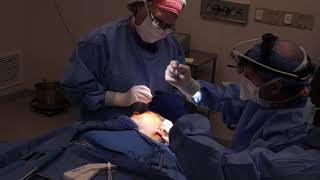
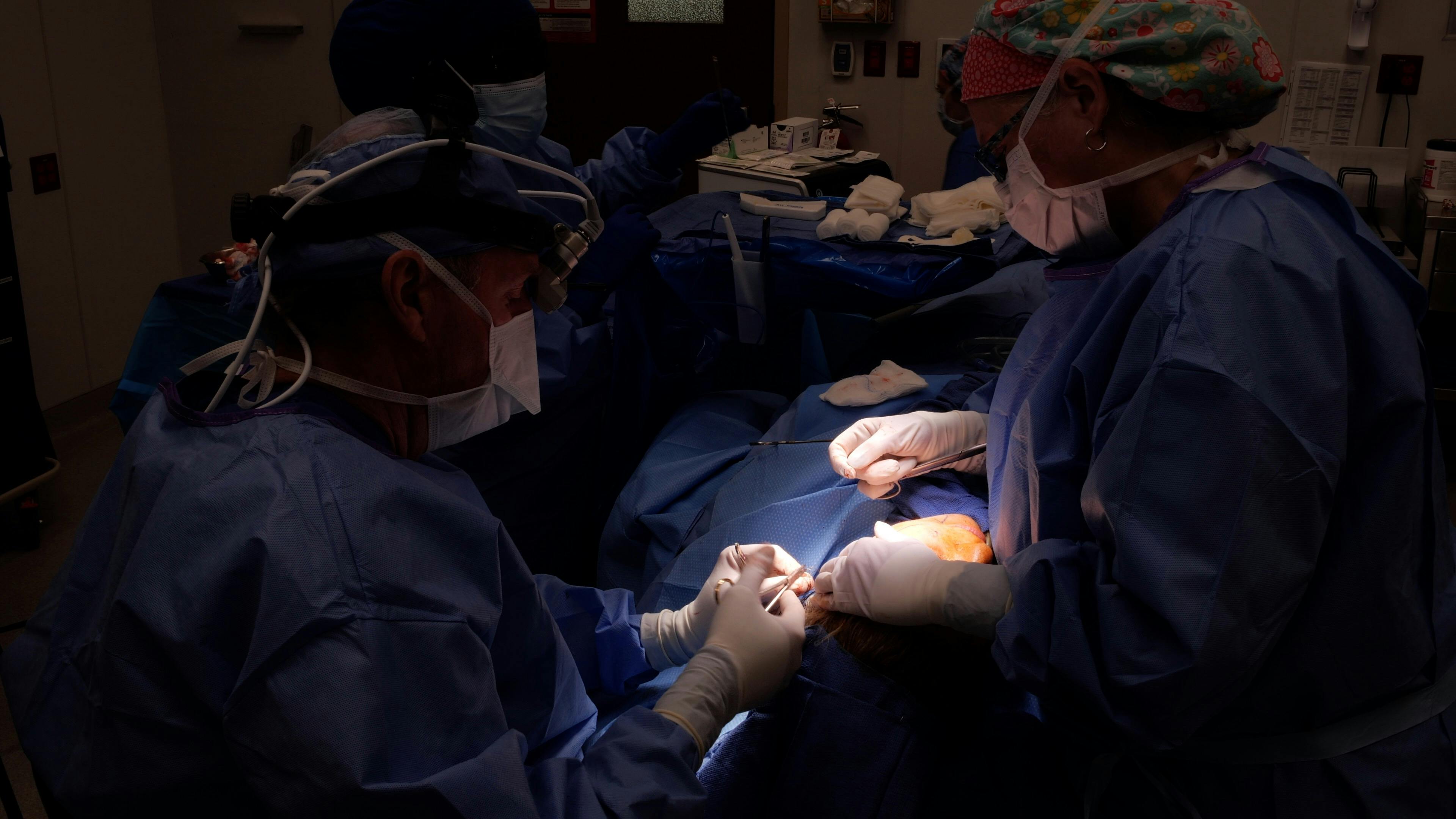
  • Your surgeon will make an incision above your hairline, in the temple region, following the hairline to a point in front of your ears and continuing around to the back of your ears.
  • If your surgeon addresses problems in the neck area, an incision will also be made under the chin.
  • The skin of your face will be separated from the muscle and fat, and the excess fat will either be trimmed or removed via liposuction.
  • Next, your muscles will be tightened with sutures, and your skin will be draped across your face, pulled tight, and sutured in place. Any excess skin will be neatly removed.
Picture of surgeons performing a facelift

What Can I Expect After My Facelift?

Understanding the recovery timeline helps you plan appropriately and know what's normal at each stage. While individual healing varies, the following week-by-week guide provides a general framework for facelift recovery.

Days 1–3:

  • Rest is essential: Plan to sleep with your head elevated on multiple pillows to minimize swelling.
  • Swelling and bruising peak: This is normal and expected; cold compresses can provide relief.
  • Medication management: Take prescribed pain medication as directed to stay comfortable.
  • Bandage care: Keep dressings clean and dry; your surgeon may schedule a bandage check during this period.
  • Limited activity: Move slowly when necessary, but prioritize rest.

Days 4–7:

  • Bandages removed: Most patients have dressings removed within the first week.
  • Swelling begins to subside: Puffiness starts normalizing, though some swelling persists.
  • Light activity resumes: Short walks around the house help promote circulation without straining.
  • Avoid bending or lifting: These movements can increase swelling and pressure on incision sites.

Week 2:

  • Most patients appear presentable: Makeup can typically cover remaining bruising.
  • Return to desk work: Many patients resume non-strenuous work activities.
  • Sutures removed: Depending on your surgeon's technique, stitches are typically removed around this time.
  • Continued head elevation: Continue sleeping elevated to manage residual swelling.

Weeks 3–4:

  • Swelling continues to resolve: Your face will look more natural each day.
  • Light exercise may resume: With surgeon approval, walking and gentle activity can increase.
  • Sensation changes: Some numbness or tightness remains normal at this stage.

Months 2–3:

  • Near-final results visible: Most swelling has resolved, revealing your refreshed appearance.
  • Numbness improves: Sensation gradually returns to affected areas.
  • Normal activities resume: Most patients return to full activity, including moderate exercise.

Months 6–12:

  • Full healing complete: All internal swelling has resolved and tissues have settled.
  • Scars mature: Incision lines fade to thin, flesh-toned marks that blend with natural skin creases.
  • Final results achieved: You can now fully appreciate the outcome of your facelift.

Will My Facelift Look Natural? How We Achieve Age-Appropriate Results

One of the most common concerns patients express is fear of looking "overdone" or unnatural after a facelift. This worry is understandable. We've all seen examples of facelifts that appear tight, windswept, or simply off. The good news is that modern surgical techniques, when performed by skilled surgeons, produce results that look refreshed rather than altered.

Unnatural facelift results typically stem from outdated approaches:

  • Skin-only tightening: Older techniques pulled the skin without addressing underlying structures, leading to a stretched appearance that didn't last.
  • Incorrect vector of pull: Pulling skin horizontally rather than vertically creates the telltale "windswept" look.
  • Over-tightening: Removing too much skin or pulling too aggressively eliminates natural facial movement and expression.

The board-certified plastic surgeons at Richmond Plastic Surgeons use techniques that address the root causes of facial aging rather than simply stretching skin. By repositioning the SMAS layer and deeper facial structures, Dr. Wornom, Dr. Ladocsi, and their colleagues restore youthful contours while preserving natural movement and expression.
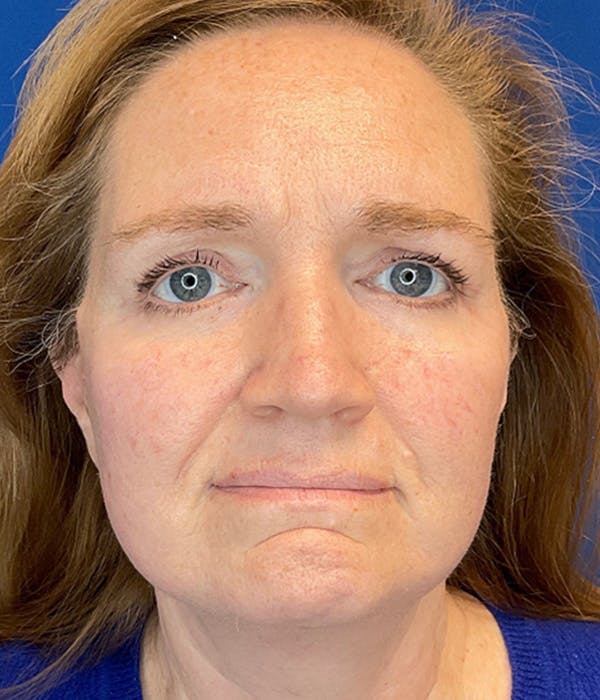
Key principles guide our approach to natural-looking results:

  • Repositioning over pulling: Lifting and repositioning descended tissues creates natural contours without tension on the skin.
  • Respecting facial proportions: Every face has unique characteristics worth preserving; the goal is enhancement, not transformation.
  • Addressing volume appropriately: Combining lifting with volume restoration (when needed) prevents the hollow look that can occur with lifting alone.
  • Conservative skin removal: Removing only the appropriate amount of excess skin ensures comfortable, natural movement.

A well-performed facelift should make you look like a younger, more rested version of yourself, not a different person. Patients often find that friends and family notice they look refreshed, but they can't pinpoint exactly what changed.

For patients seeking the most comprehensive and longest-lasting natural results, deep plane facelift surgery takes these principles further by releasing and repositioning the deepest facial structures.

Schedule A Consultation

Contact Us

What Can I Expect After My Facelift?

Good news! Patients usually don’t experience much discomfort after their facelift surgery. If you find yourself uncomfortable, we’ll prescribe some medication to help take the edge off.

  • You’ll experience numbness in your skin for a few weeks or months until you are fully healed, and you’ll need to keep your head elevated for about two days to keep the swelling down.
  • Your bandages can come off after one to five days. You’ll look a little puffy, bruised, and pale, but this is quite normal, and these symptoms subside after a few weeks.
  • You’ll need to rest for the first day or two and limit yourself to light activity for the first week.
  • Your skin will be numb and sensitive, so be extra gentle and careful when washing or touching your face.
  • You’ll need to avoid any strenuous activity for at least two weeks.
Woman sitting on a bench smiling with a hand under her chin

Why Choose Richmond Plastic Surgeons for Your Facelift in Richmond?
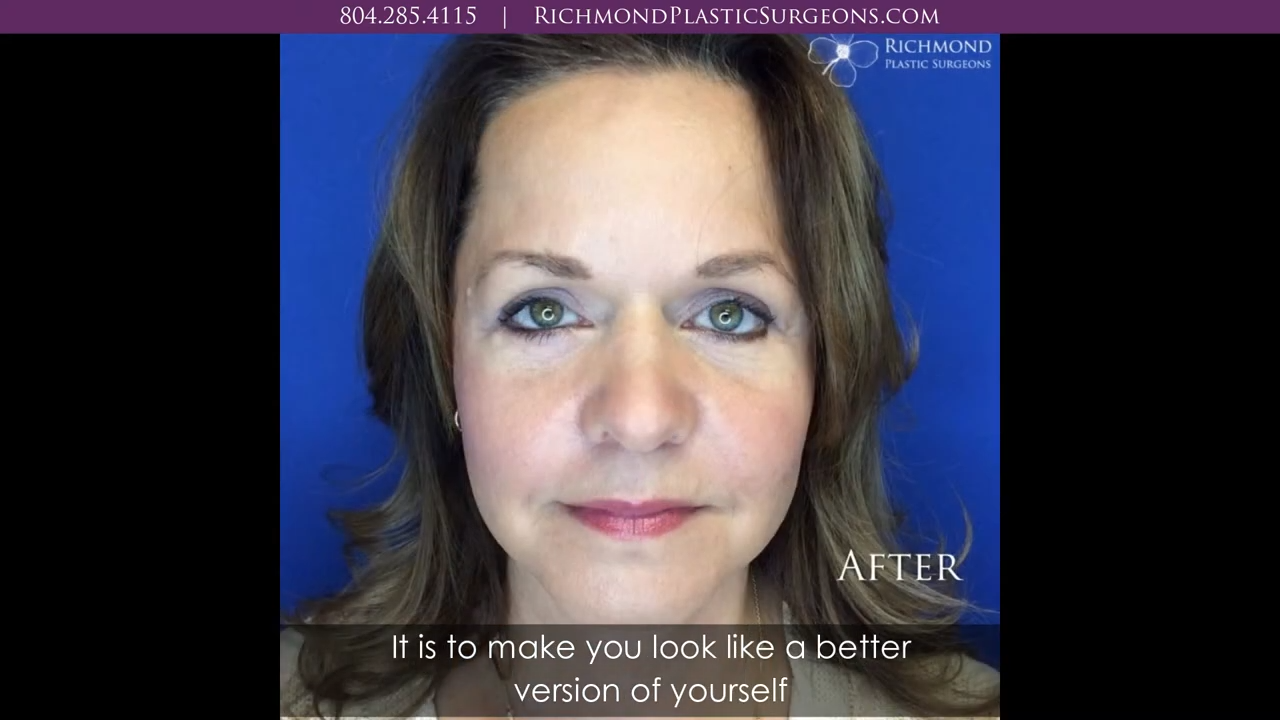
At Richmond Plastic Surgeons, your facelift is performed by board-certified plastic surgeons with decades of combined experience and a long-standing reputation in the Richmond community. For more than 25 years, our practice has been trusted by patients throughout Richmond, Midlothian, and surrounding areas of Virginia. We take a personalized approach to facial rejuvenation, focusing on natural-looking, age-appropriate results that enhance your features without changing who you are.

Patients choose us for their facelift in Richmond because of our:

  • Team of five board-certified plastic surgeons with advanced facial surgery expertise
  • Customized treatment plans tailored to your facial anatomy and goals
  • Commitment to safety, comfort, and patient education at every stage
  • Access to comprehensive surgical and non-surgical facial rejuvenation options
  • Established reputation as one of Richmond’s most trusted plastic surgery practices

Facelift FAQs

Will I Have Scars After My Facelift in Richmond?

The incisions along your hairline and scalp will take a bit longer to heal, and you’ll notice pink scars developing as they do. These scars will eventually change to a tan or brown color, fading over the course of a year. They won’t disappear completely, but they also won’t be noticeable unless someone closely inspects your hairlines.

When Will I See My Results?

Your face will be a bit swollen for the first few weeks, with the results becoming more apparent over time. Once the swelling has subsided, you’ll start to see the lovely, youthful results of your facelift.

Are There Any Possible Complications from a Facelift?

Yes, though serious risks are rare. A clinical study in PMC outlines average complication rates: hematoma is most common at roughly 3% (higher in men and hypertensive patients), infection occurs in about 1% of healthy patients, nerve injury is usually temporary, and major systemic risks sit at 0.1%. Notably, smokers face a 12 times higher risk of skin necrosis due to restricted blood flow. Richmond Plastic Surgeons minimizes these risks by operating exclusively in AAAASF-accredited facilities with board-certified surgeons Dr. Wornom III and Dr. Ladocsi.
How Long Will the Results of My Facelift Last?

Facelift longevity depends primarily on the surgical technique used. A traditional SMAS facelift typically lasts 5 to 10 years, while a deep plane facelift can last 10 to 15 years by repositioning deeper facial structures. According to a longitudinal study on PubMed, individual results vary based on baseline skin quality, sun protection, smoking status, and weight stability.

What is the difference between a facelift and Deep Plane Facelift?

Traditional facelifts primarily tighten and reposition the skin and superficial muscles to address sagging and wrinkles. In contrast, getting a deep plane facelift in Richmond, target deeper facial structures, including muscles and ligaments, allowing for more comprehensive and longer-lasting rejuvenation, particularly in the midface and jawline areas.

How Long Does a Facelift Surgery Take?

A facelift typically takes several hours to complete, depending on the technique used and whether additional procedures are performed at the same time. Your surgeon will discuss the expected length of surgery during your consultation.

What Type of Anesthesia Is Used for a Facelift?

Facelift procedures are most commonly performed using general anesthesia, though some patients may be candidates for local anesthesia with sedation. The safest and most comfortable option will be determined based on your surgical plan and medical history.

Can Weight Fluctuations Affect My Facelift Results?

Significant weight gain or loss after surgery can impact facial volume and skin tightness, potentially altering your results. Maintaining a stable weight helps preserve the benefits of your facelift long term.

Is There an Ideal Time of Year to Get a Facelift?

A facelift can be performed at any time of year, but many patients prefer cooler months when sun exposure is reduced and recovery can be more discreet. Scheduling flexibility and personal lifestyle often play a bigger role than seasonality.

References

Schedule a Consultation

If you would like more information regarding a specific procedure, or wish to have a member of our staff contact you, please fill out this contact form and let us know how we can best serve you!

Contact Us

© Richmond Plastic Surgeons. All Rights Reserved. Digital Marketing & Design by Studio 3 Marketing®

Privacy Policy

Patient Portal
Contact Us

Contact Us

Cosmetic Patients: 804.368.3547